

In today’s digital-first environment, cybersecurity is no longer just an enterprise concern. South African SMEs are increasingly becoming prime targets for cybercriminals—often because they lack the layered security and internal resources of larger organisations.
The reality is simple: attackers are looking for the easiest way in. And for many SMEs, that door is wide open.
Here are five critical cybersecurity risks your business cannot afford to ignore.
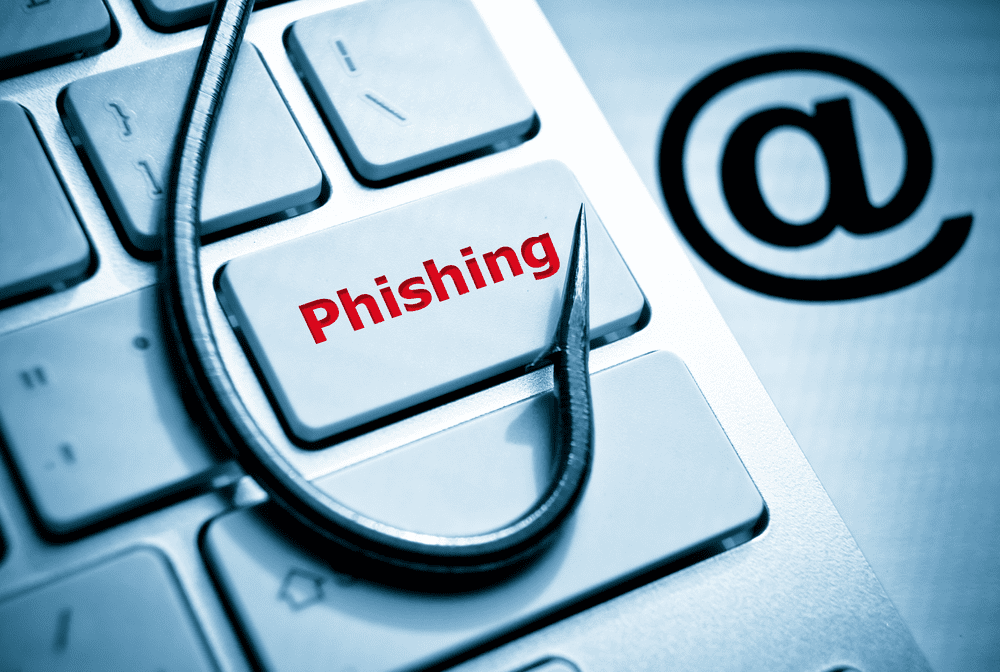
1.Phishing Attacks Are Getting Smarter
Phishing emails have evolved far beyond obvious scams. Today, they are highly targeted, well-written, and often impersonate trusted suppliers, banks, or even internal staff.
A single click on a malicious link can:
- Compromise login credentials
- Install ransomware
- Expose sensitive company data
Without proper email filtering and staff awareness training, your business remains vulnerable.
2. Weak Passwords and Poor Access Control
Many SMEs still rely on simple passwords or reuse credentials across multiple platforms. This creates a major security gap.
Common issues include:
- Shared logins between staff
- No multi-factor authentication (MFA)
- Lack of role-based access controls
If one account is compromised, attackers can move laterally through your systems with ease.
3. Unpatched Software and Outdated Systems
Outdated software is one of the easiest entry points for cyberattacks. Many breaches occur simply because known vulnerabilities haven’t been patched.
This is particularly common in SMEs where:
- Updates are delayed or ignored
- Legacy systems are still in use
- There is no central patch management process
Regular updates are not optional—they are essential.
4. Ransomware Attacks
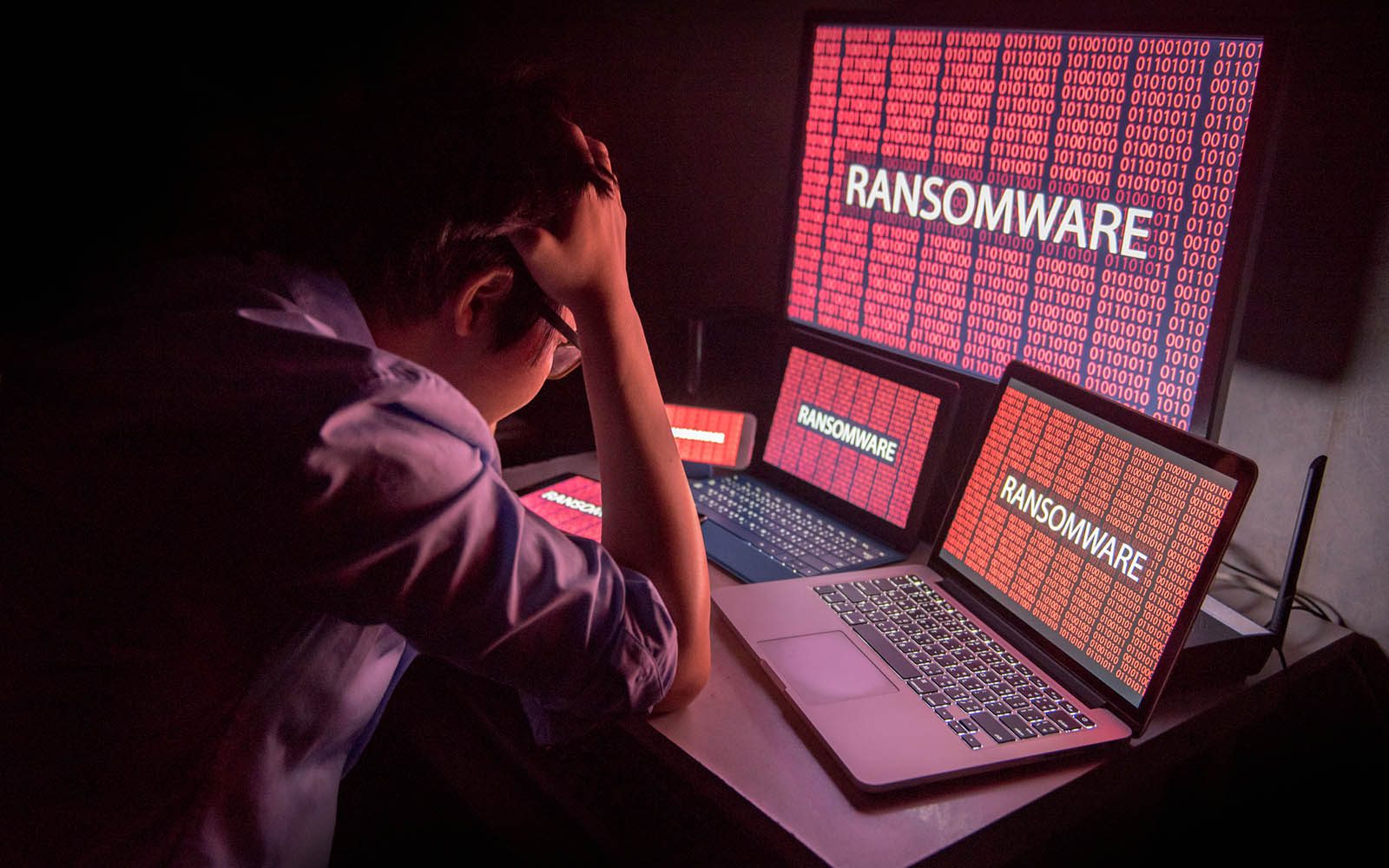
Ransomware is one of the fastest-growing threats globally, and South African businesses are not exempt.
Attackers encrypt your data and demand payment for its release. Without proper backups and recovery systems, businesses are often left with two bad choices: pay the ransom or lose their data.
Downtime from ransomware can halt operations for days—or even weeks.
5. Lack of Backup and Disaster Recovery Planning
Many SMEs assume their data is safe—until it isn’t.
Whether due to cyberattacks, hardware failure, or human error, data loss can be catastrophic without a proper backup strategy.
Key gaps include:
- No offsite backups
- Infrequent backup schedules
- No tested disaster recovery plan
A backup is only valuable if it works when you need it.
Final Thoughts
Cybersecurity isn’t just about technology—it’s about risk management. SMEs that take a proactive approach are far more resilient than those reacting after an incident.
Partnering with a managed IT provider ensures:
- Continuous monitoring
- Proactive threat detection
- Structured security policies
- Rapid response when incidents occur
In 2026, cybersecurity is not an expense—it’s an investment in business continuity.
